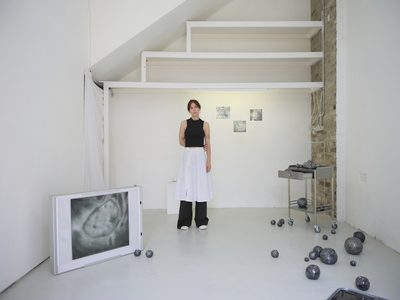
Charlie Komšić
In an effort to make sense of my sense of connection to place, I wish to spend time connecting the place of my ancestors as a child of a political refugee who left Bosnia in the 1960s.
Two weeks in Mijakovići, arriving from the Venice Biennale, where she worked at Australia’s Pavilion. Here she traces lineage through Bosnian history, the old practice of sicanje, and her own bodily response to the landscape.
Concept
I predominantly wish to conduct research into Bosnian history, cultural practices - such as Sicanje if knowledge holders are available, and my bodily response to the landscape. In an Australian arts context, many practitioners deeply interrogate their relationship to place as we reside on stolen land, unlawfully taken from the numerous First Nations communities across the continent by the British Empire.
On sicanje
I am currently looking into Amazigh (Berber) tattooing traditions as well […] I understand Sicanje is a dying cultural practice, I am hoping to know how this happened from a first hand perspective and perhaps how people feel about it. I was especially moved to learn that it was something shared between women and I am imagining ways in which it could be revitalised.
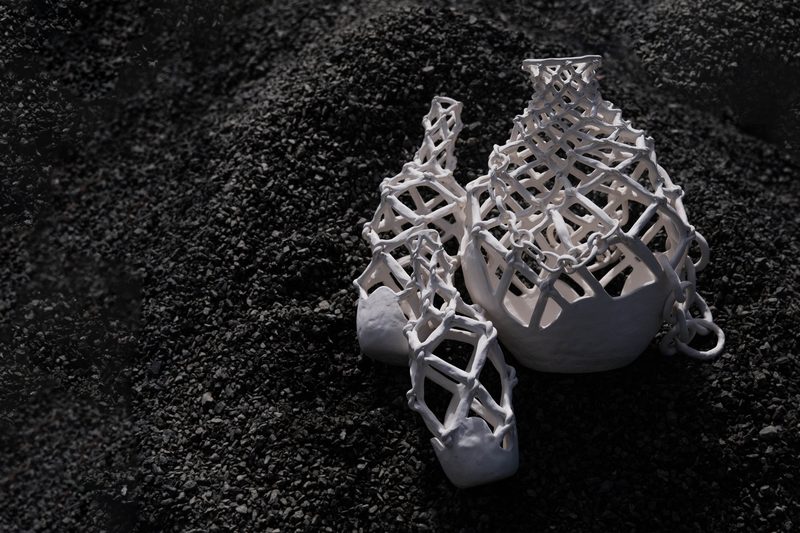
Sicanje is the old practice of tattooing, once carried by women in central Bosnia and marked on the hands and forearms. It has very nearly died out. Whether anyone nearby still holds that knowledge is an open question, and the residency does not promise an answer.
Where the work goes
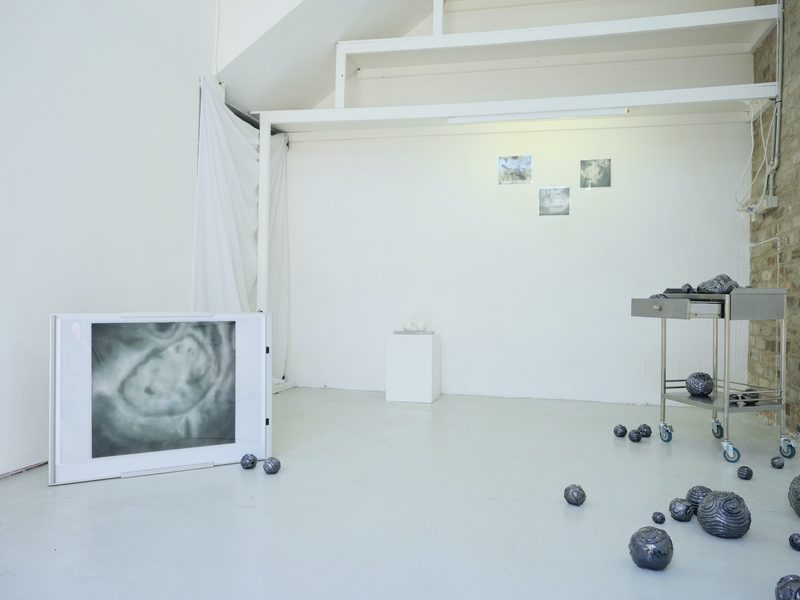
Writing, drawing and material work made here enter the Zvjezdane Staze archive, which holds sound, visual art, literature and media art alike. Whatever takes shape during the stay can be proposed for the audio walk along the path to Bobovac, though that installation is curated separately and takes only a few works each year.
She writes English and learned some of the language as a child. Introductions to neighbours and translation are carried by the house.
External


Registered in Bosnia and Herzegovina · RF-242