DVONOĆJE
Three days and two nights around the summer solstice. Mijakovići, Vareš.
The programme
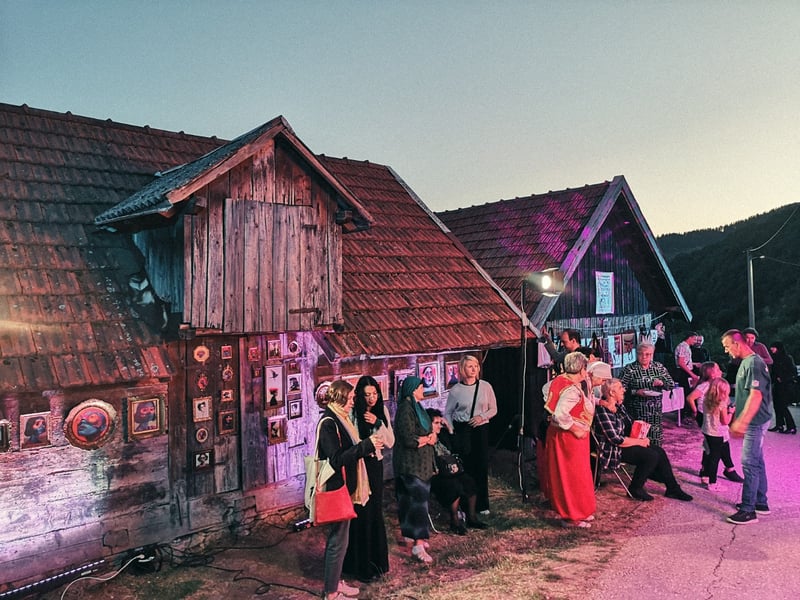
Mijakovići lies on the slopes of Perun, in the municipality of Vareš. The ruins of Bobovac stand below the village and are seen from it from above, which is the reverse of the usual relation between a settlement and the fortress that once governed it.
Dvonoćje is held here once a year around the summer solstice: three days, two nights. The residency around it is longer. Artists arrive several days before the announced dates and stay on after them, and each edition is therefore dated twice, once for the residency and once for the programme.
On the days without programme the village does what the season requires. Mowing, picking, gathering and drying keep their own schedule and would keep it without visitors; the water-powered forges at Oćevija operate because there is a market for what they make; bees are kept in a number of households. Anyone who wants to join in is welcome to, on the understanding that they will be of limited use. On 19 June we raked more than we mowed, and Šaban joked that what we had cut would not have fed a rabbit.
The arrangement is therefore an ordinary week in the village, entered at whatever level of competence the visitor brings, rather than a community convened for the duration of a project and dissolved when the project ends. What the programme provides is board, two evenings of presentation, and the days between them.
Second edition · 19–21 · vi · 26
Residency 17–22 June 2026 · programme 19–21 June 2026
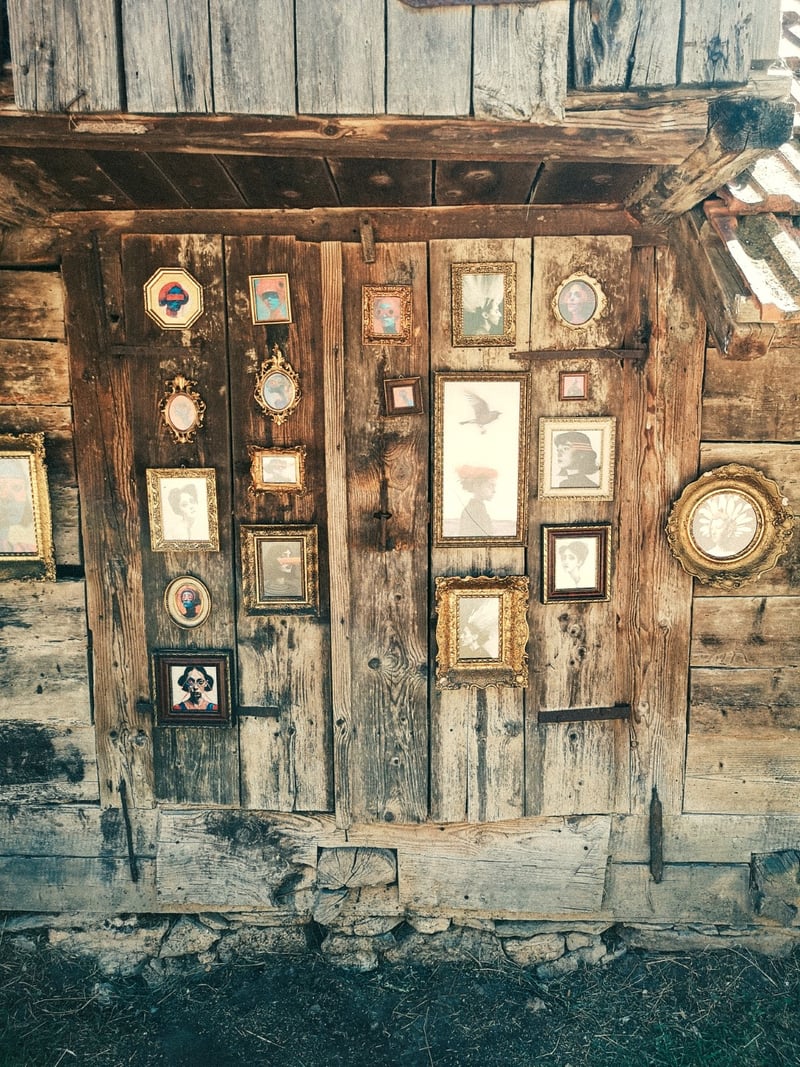
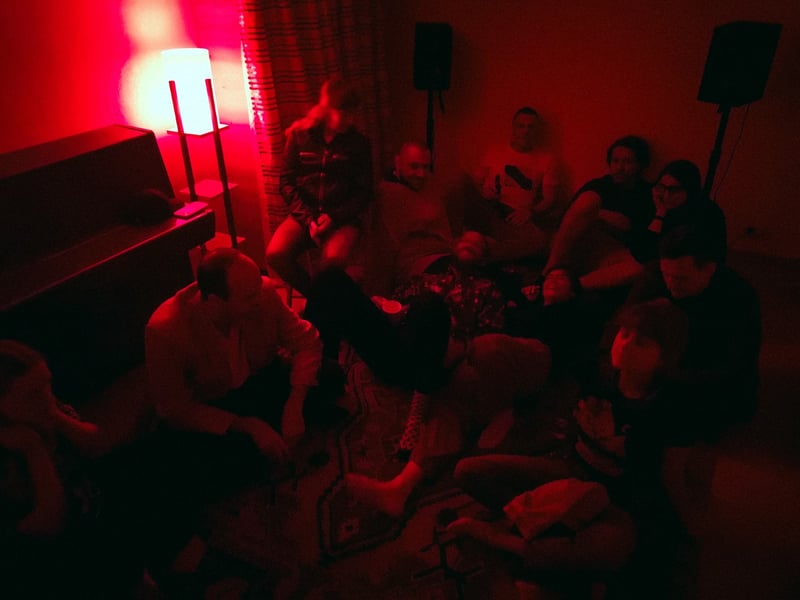
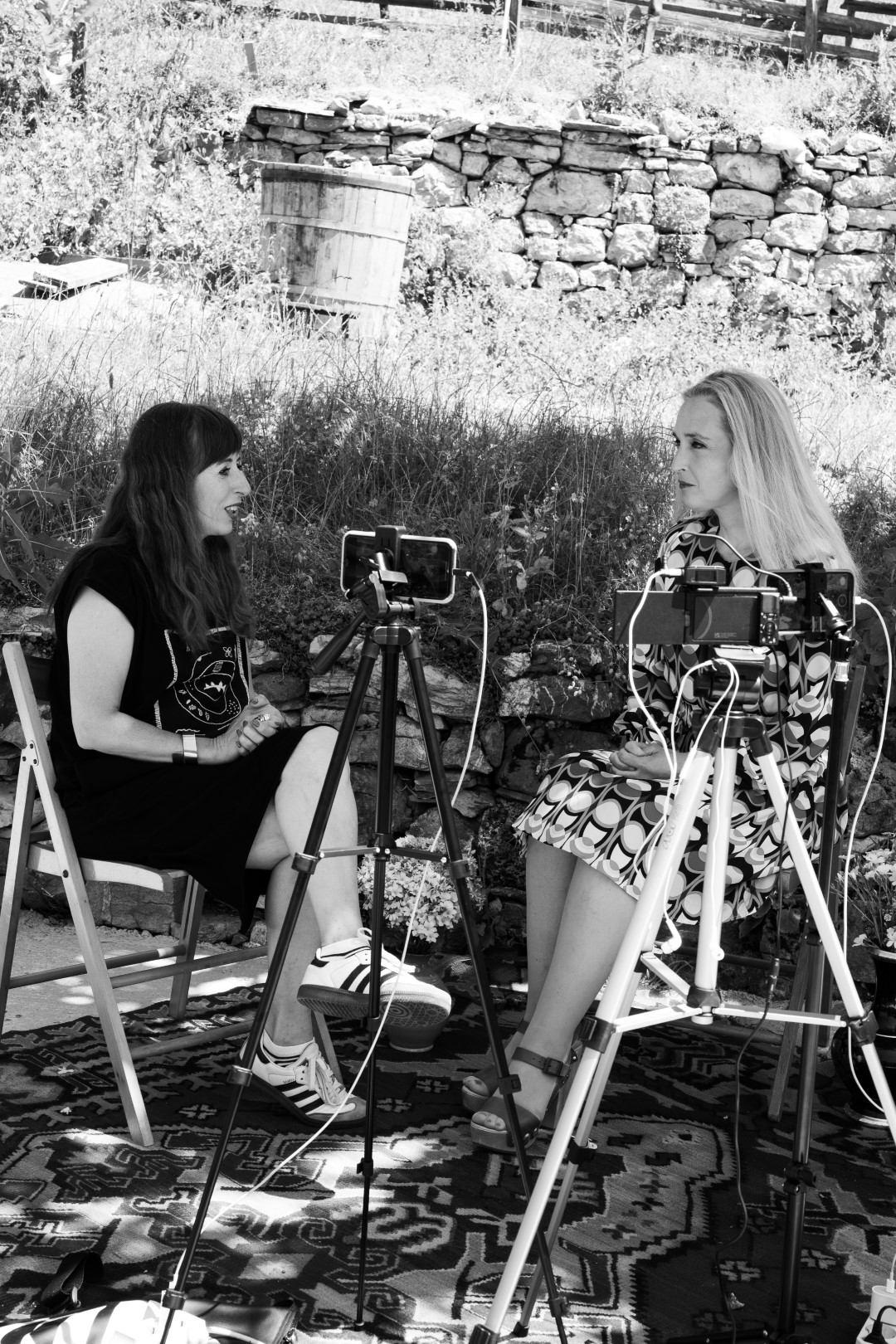
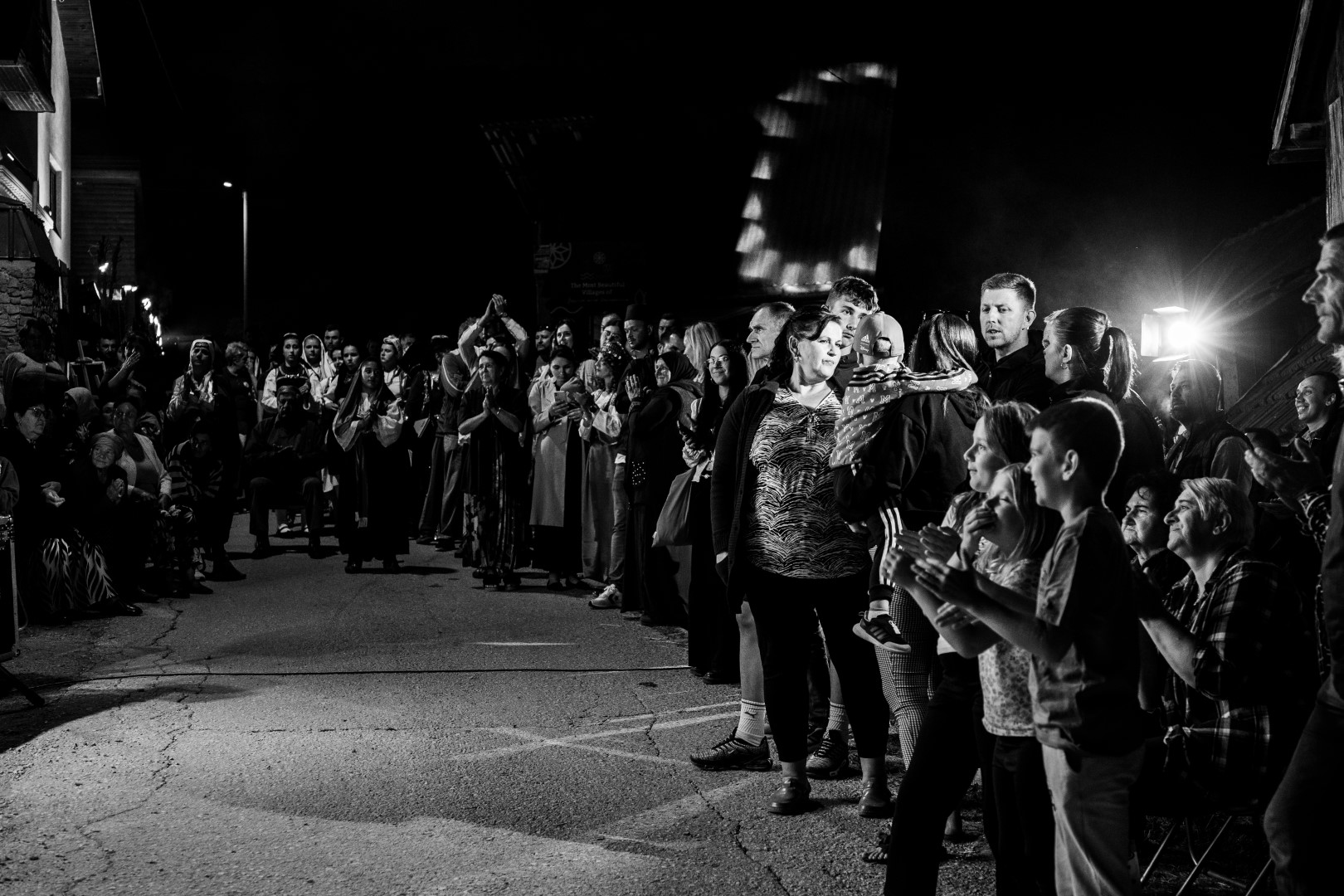
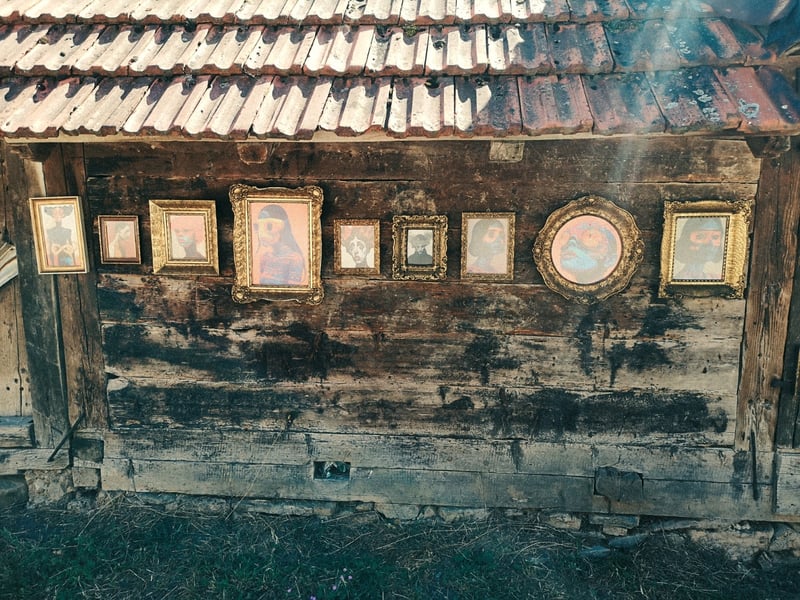
Alija Kamber and Azra Jašarević stayed five nights. On 18 June we walked up to Bobovac. On 19 June we drove up to Bobovište, the field and orchard of Šaban and Nadža Ibrišimović, in a TAM lorry for the mowing. We raked, picked ašlame, and gathered elder and nettle; the cut grass stayed on the meadow to dry, and the elder and nettle came back with us and were laid out for tea and syrup. On 20 June we went to Oćevija, to Mijo Jozeljić's majdan, and returned with a kazan, a trnokop, an axe and a peka, all four of which are in use. Kamber opened Distant Relatives that afternoon on the door of the wooden privy in the yard. On the solstice, at 21:00, Azra Jašarević introduced Pčelarenje pred Kijamet (Beekeeping in the End Times), the film she made with her sister Larisa, and the conversation that followed proceeded without a division between speaker and audience, among people who keep bees.
Lisa Diederik, photographer and art educator at the Stedelijk Museum Schiedam, came while travelling through Bosnia and Herzegovina, intending to stay a day, and stayed five, as a guest of Šaban and Nadža Ibrišimović. Nothing in the week was adjusted to accommodate her, which is the clearest available description of how the format works.
For artists
What is covered
- Accommodation for the full stay
- All meals
- The presentation
There is no fee for the presentation, and there has been none in any edition. Dvonoćje runs separately from the curatorially defined open calls, which carry their own funding and their own conditions.
Capacity: up to eight artists. · Language: BHS, English on request.
Words that stay in BHS across these pages are collected in the glossary.
Next edition
First edition
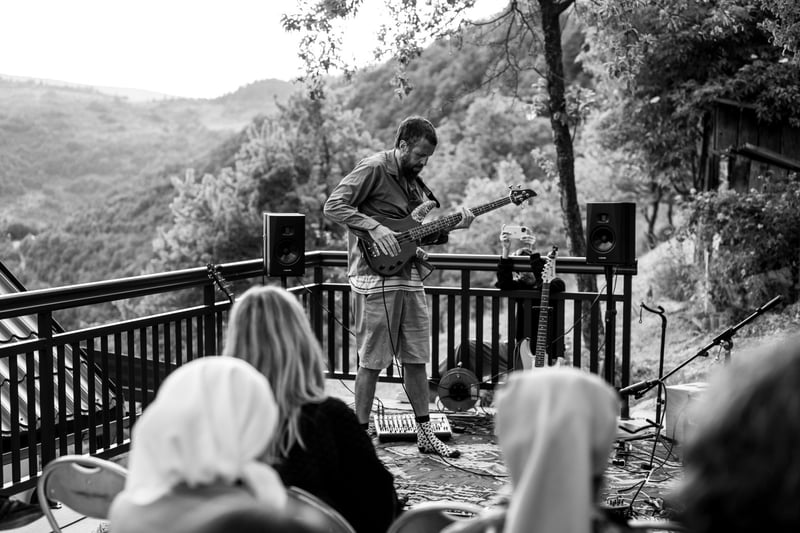
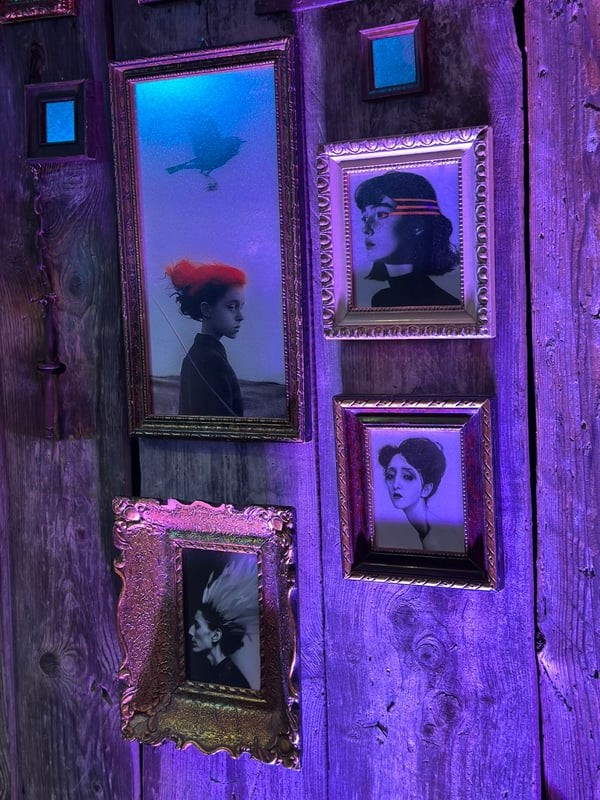
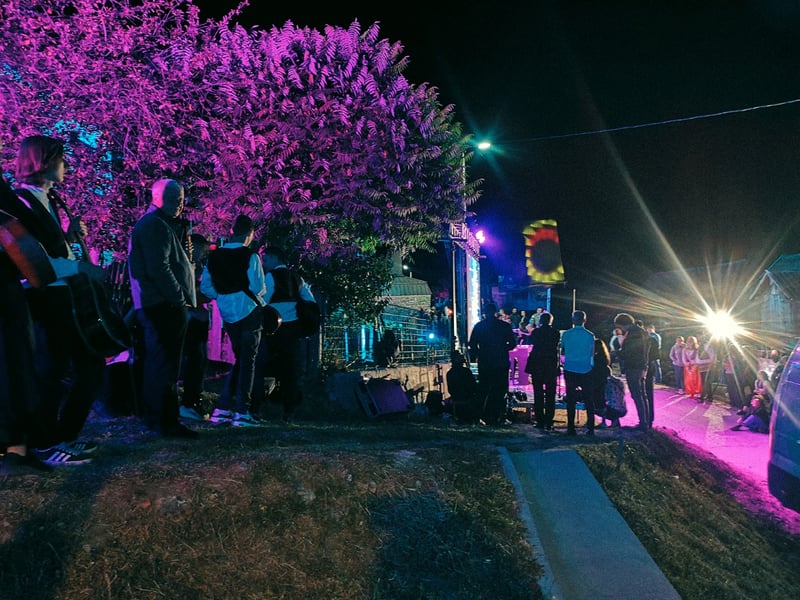
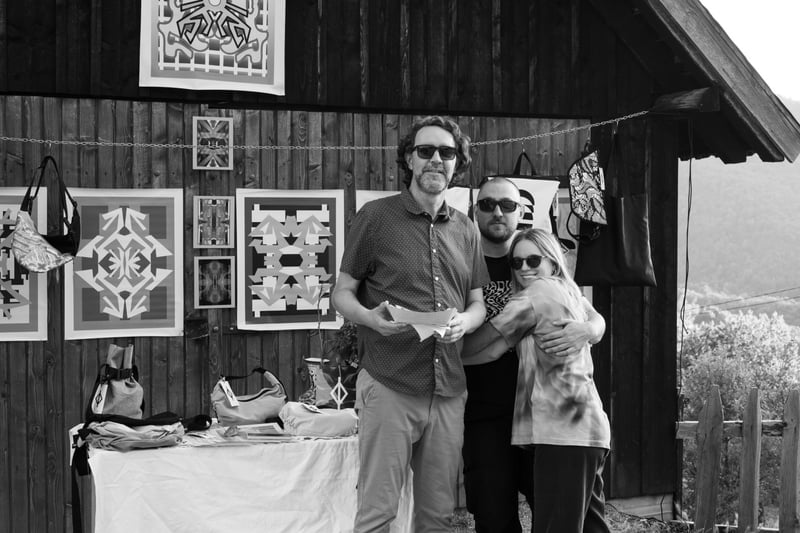
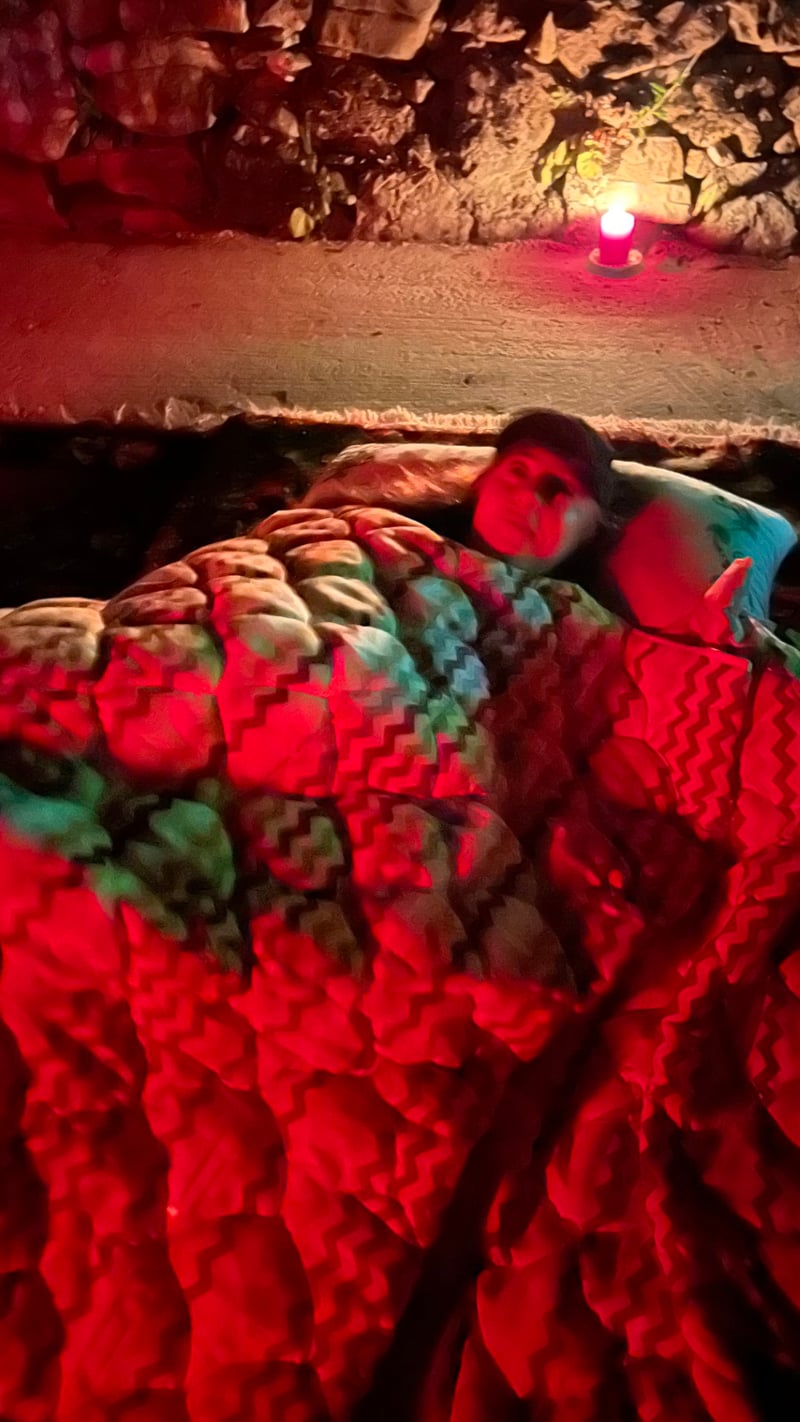
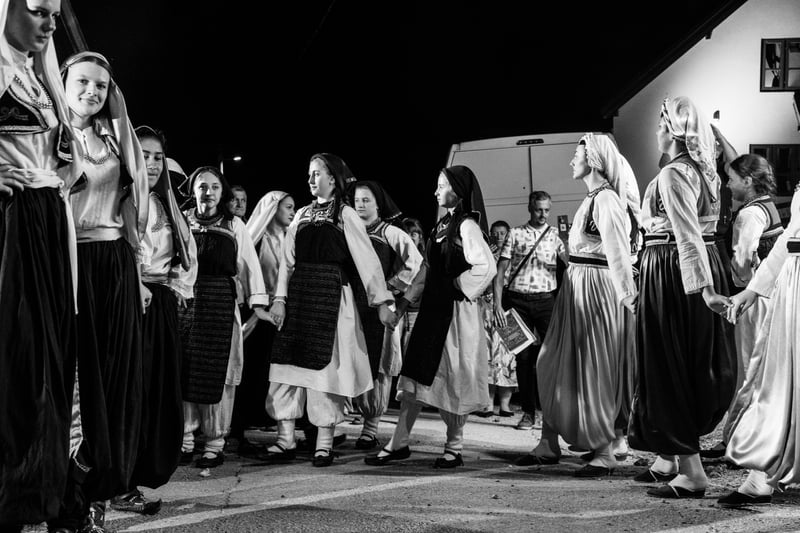
Dvonoćje I · 25 · 20–21 June 2025. Seven artists from Bosnia and Herzegovina, Serbia, Germany and Austria: Alija Kamber (visual art, Tuzla), Damjan Jovičin (composition, Belgrade), Balancer (fashion and design, Sarajevo), Timo Kreuser (sound, Berlin), Melanie Sapina (photography, Berlin and Sarajevo), Grobot i Emre (sound installation, Tuzla), Anisa Šerak (podcast), with Belma Bešlić-Gál (concept and sound, Vienna). The edition carried the exhibition ΣUB_VERZNI_POSTΛV_#ZVJ_001, the listening rooms Sluшaoniцa #1 and #2, a concert on the terrace at sunset, and Romantična noć, which the village holds independently of the festival.